In a world where sustainability and energy efficiency are becoming priorities, solar-powered cold rooms...
.svg)


Latest posts
-
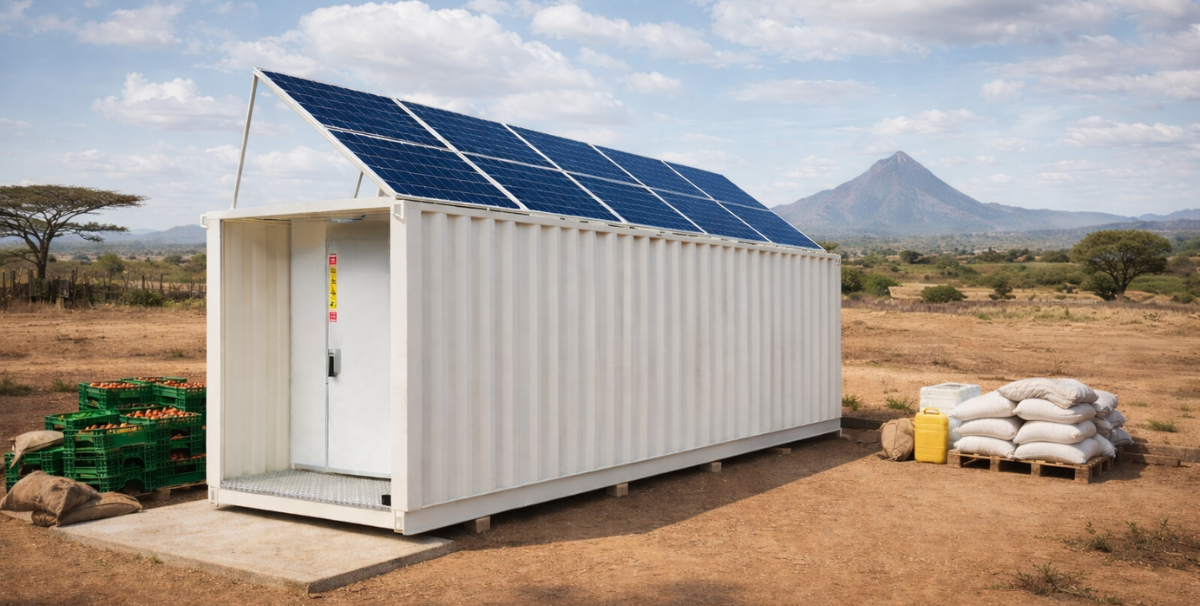 How does a solar-powered cold room work?Read more
 -
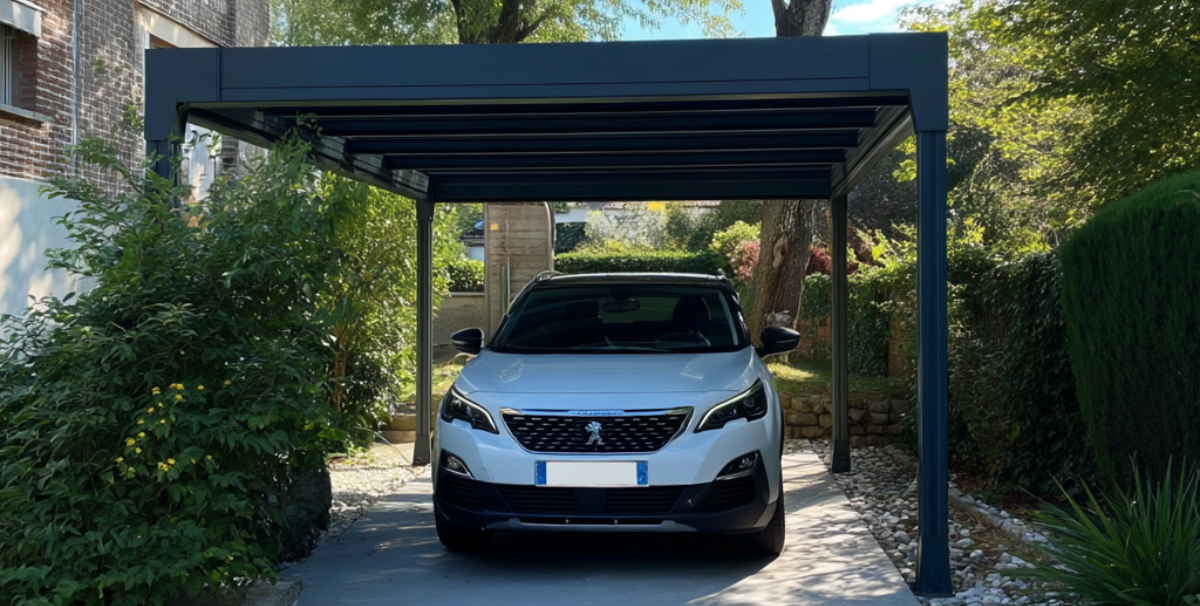 Why is the solar carport attracting more and more private homeowners ?Read more
Nowadays, private homeowners are increasingly drawn to solutions that combine energy savings, vehicle protection, and...
-
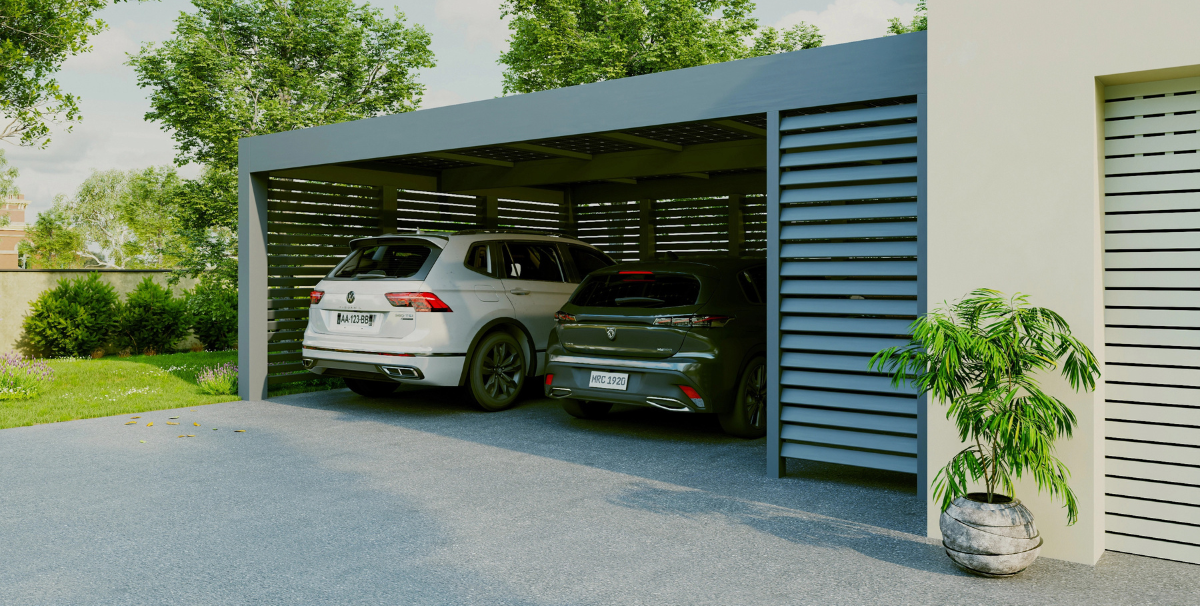 Solar carport + electric car: the winning duo for a sustainable futureRead more
The adoption of electric vehicles is growing rapidly, and with it comes the search for efficient solutions to...
-
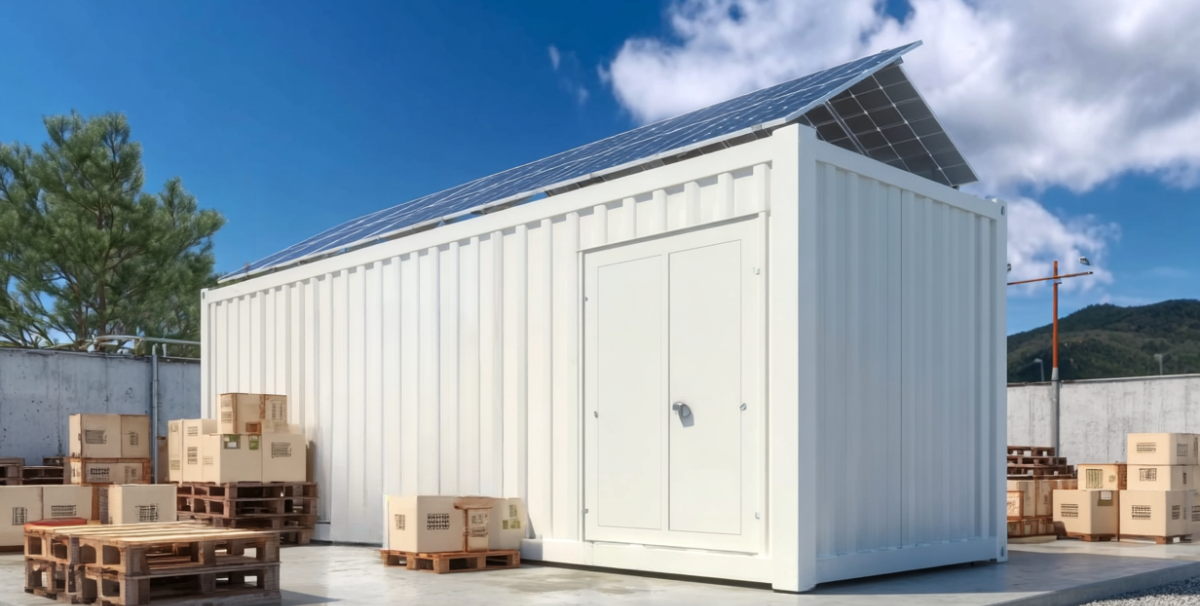 Solar cold room: the ideal solution for off-grid areas?Read more
In many rural or remote areas, access to electricity remains limited, unstable, or nonexistent. Yet, the preservation...
-
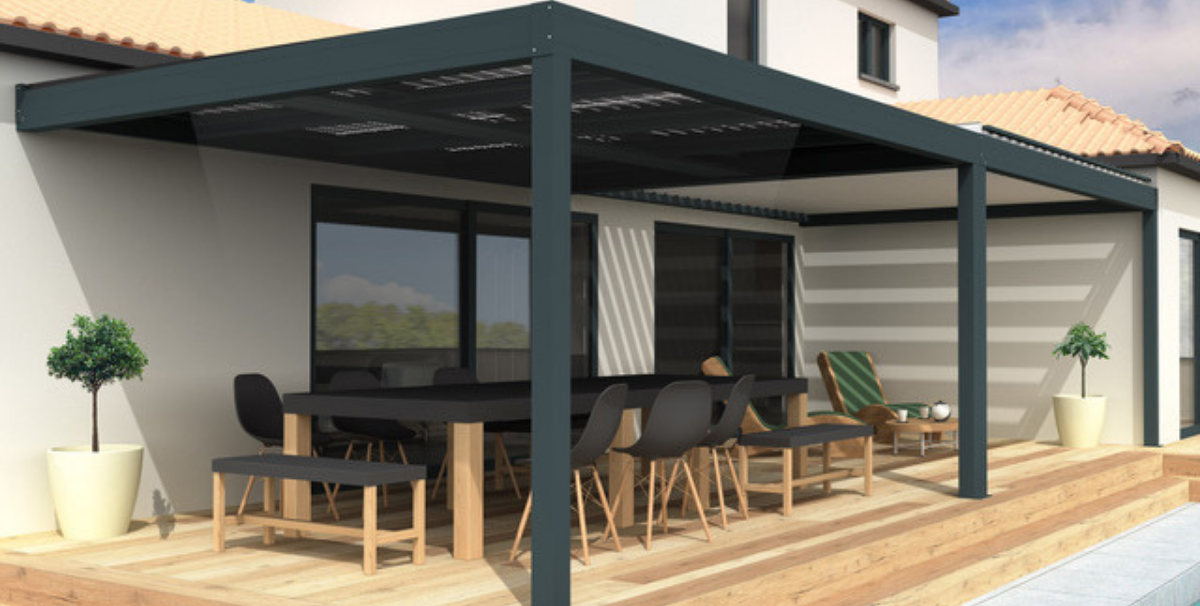 Photovoltaic Pergola: Mistakes to Avoid Before InstallationRead more
The photovoltaic pergola is increasingly appealing to both homeowners and professionals. It combines shading,...
-
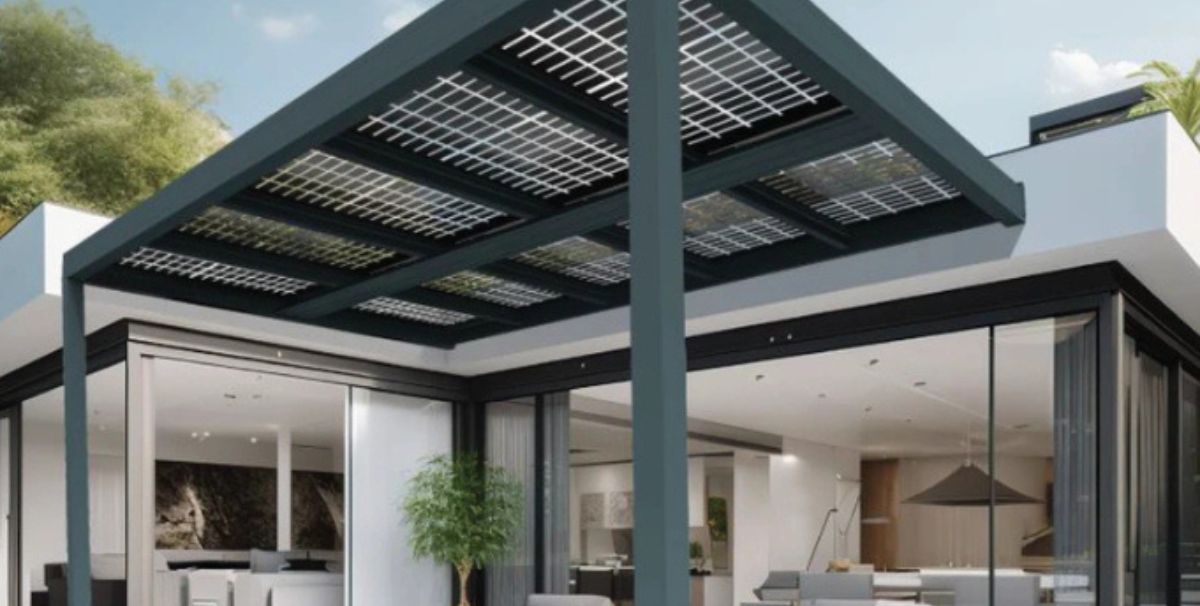 7 Little-Known Benefits of a Photovoltaic PergolaRead more
A photovoltaic pergola is no longer just an aesthetic addition to your garden or terrace. It has become a real...
Blog categories
Search in blog
Archived posts
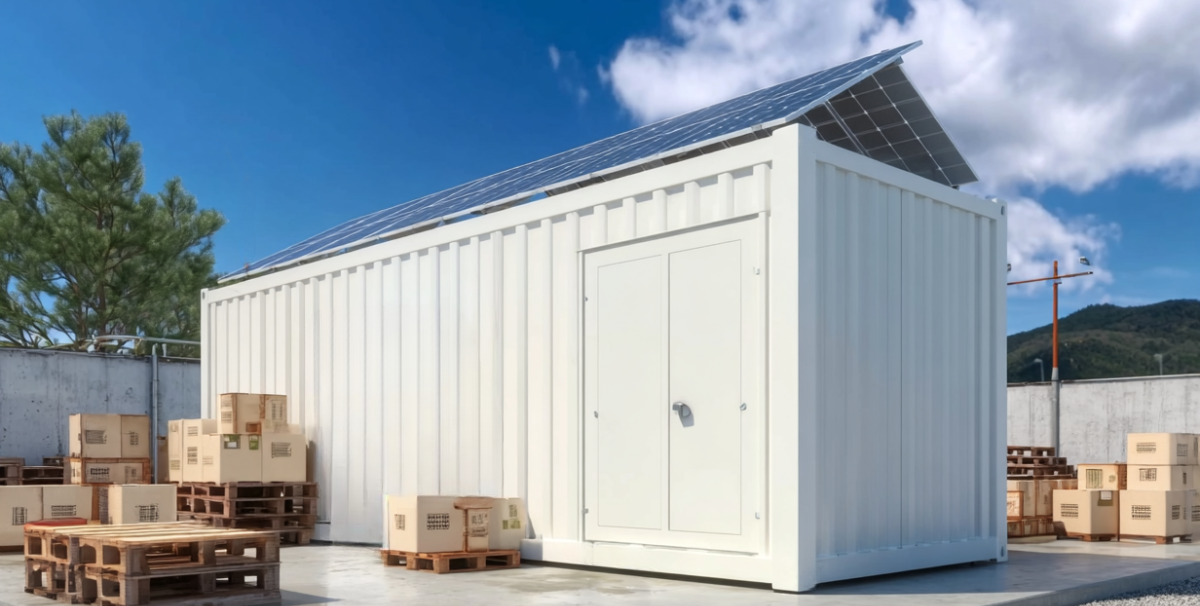
Solar cold room: the ideal solution for off-grid areas?
What Is a Solar Cold Room?
A solar cold room is a refrigeration system powered primarily by photovoltaic solar energy. It maintains a controlled temperature (positive or negative) to preserve heat-sensitive products.
It generally consists of:
- photovoltaic solar panels,
- energy storage batteries (depending on the system),
- a charge controller and inverter,
- a high-efficiency refrigeration unit,
- an insulated cold room (sandwich panels).
Unlike conventional cold rooms, it operates without relying on the electrical grid or with only very limited grid access.
Why Do Off-Grid Areas Need Solar Cold Rooms?
Off-grid areas (rural regions, isolated villages, agricultural sites, humanitarian zones) face several challenges:
- high post-harvest losses,
- breaks in the cold chain,
- high fuel costs for diesel generators,
- pollution and complex maintenance.
The off-grid solar cold room directly addresses these issues by providing energy autonomy and a reliable long-term solution.
Key Advantages of a Solar Cold Room
1. Complete Energy Autonomy
Thanks to solar energy, the cold room operates without conventional electricity. This is a major advantage for remote areas.
2. Reduced Food Losses
In agriculture and fishing, up to 30–50% of products can be lost due to inadequate storage.
A solar cold room helps to:
- extend shelf life,
- improve product quality,
- increase producers’ income.
3. An Eco-Friendly and Sustainable Solution
- renewable energy,
- zero CO₂ emissions during operation,
- reduced use of fossil fuels.
4. Medium- and Long-Term Cost Effectiveness
Although the initial investment may seem high, savings on:
- fuel,
- maintenance,
- electricity,
make the solution economically viable within a few years.
5. Suitable for Many Sectors
Solar cold rooms are used in:
- agriculture (fruits, vegetables, seeds),
- fishing and meat processing,
- healthcare (vaccines, medicines),
- humanitarian aid and food assistance.
Are There Any Limitations to Solar Cold Rooms?
Like any technology, solar cold rooms also have some constraints:
- a higher initial cost than conventional cold rooms,
- the need for proper solar system sizing,
- dependence on sunlight (offset by batteries or thermal storage).
However, these limitations are largely outweighed by the long-term benefits, especially in off-grid areas.
Solar Cold Room: An Ideal Solution for Off-Grid Areas?
The answer is clearly yes. The solar cold room stands out as one of the best refrigeration solutions for off-grid areas, as it combines autonomy, reliability, sustainability, and cost efficiency.
It represents a strategic lever for rural development, food security, and the energy transition.
Conclusion
In the face of today’s energy and climate challenges, the off-grid solar cold room is no longer a marginal alternative, but a solution for the future. It perfectly meets the needs of isolated areas while aligning with a sustainable development approach.
Investing in a solar cold room means securing the cold chain, reducing losses, and enhancing local production, even without access to the electrical grid.
Ces autres articles pourraient vous plaire
-
7 Little-Known Benefits of a Photovoltaic Pergola
A photovoltaic pergola is no longer just an aesthetic addition to your garden or terrace. It has become a real...Read more
-
Photovoltaic Pergola: Mistakes to Avoid Before Installation
The photovoltaic pergola is increasingly appealing to both homeowners and professionals. It combines shading,...Read more
-
Solar carport + electric car: the winning duo for a sustainable future
The adoption of electric vehicles is growing rapidly, and with it comes the search for efficient solutions to...Read more
-
Why is the solar carport attracting more and more private homeowners ?
Nowadays, private homeowners are increasingly drawn to solutions that combine energy savings, vehicle protection, and...Read more
-
How does a solar-powered cold room work?
In a world where sustainability and energy efficiency are becoming priorities, solar-powered cold rooms...Read more