In a world where sustainability and energy efficiency are becoming priorities, solar-powered cold rooms...
.svg)


Latest posts
-
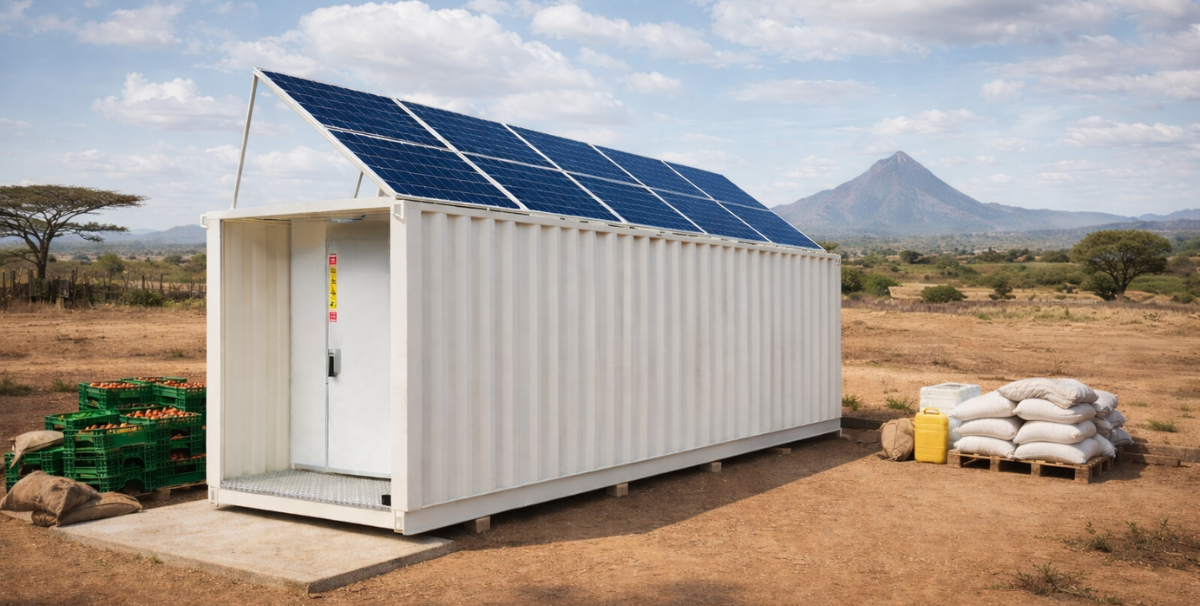 How does a solar-powered cold room work?Read more
 -
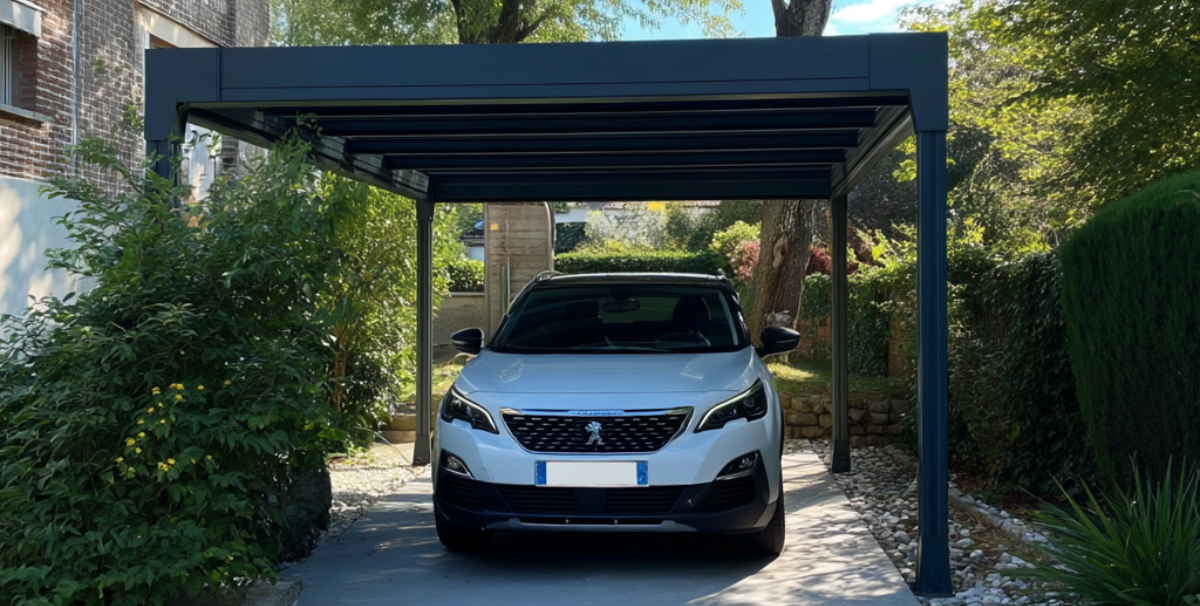 Why is the solar carport attracting more and more private homeowners ?Read more
Nowadays, private homeowners are increasingly drawn to solutions that combine energy savings, vehicle protection, and...
-
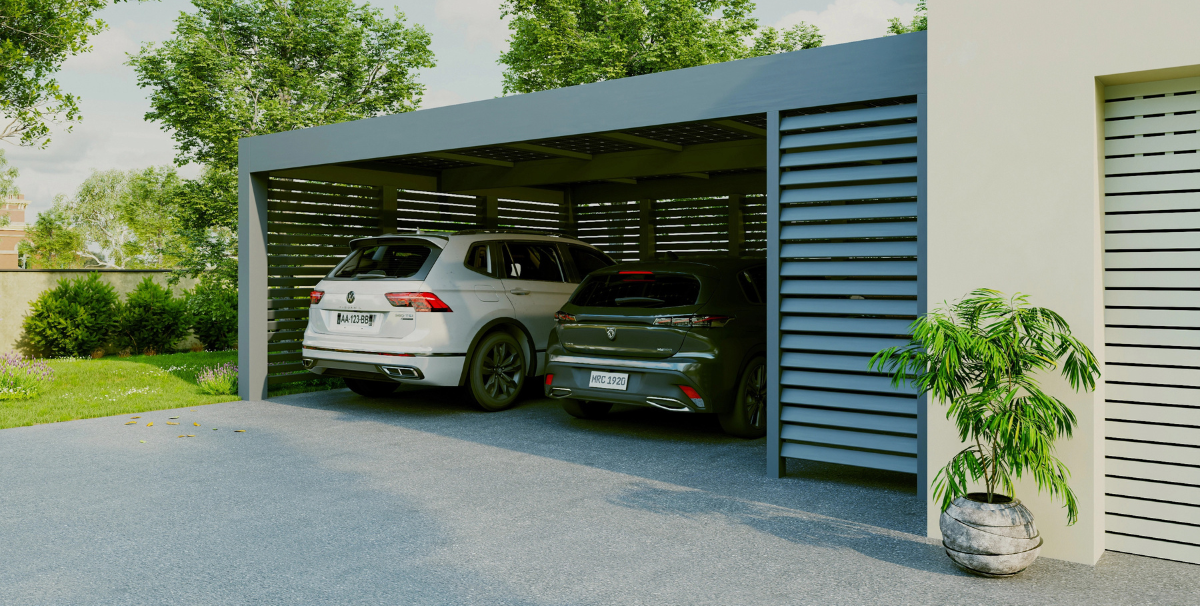 Solar carport + electric car: the winning duo for a sustainable futureRead more
The adoption of electric vehicles is growing rapidly, and with it comes the search for efficient solutions to...
-
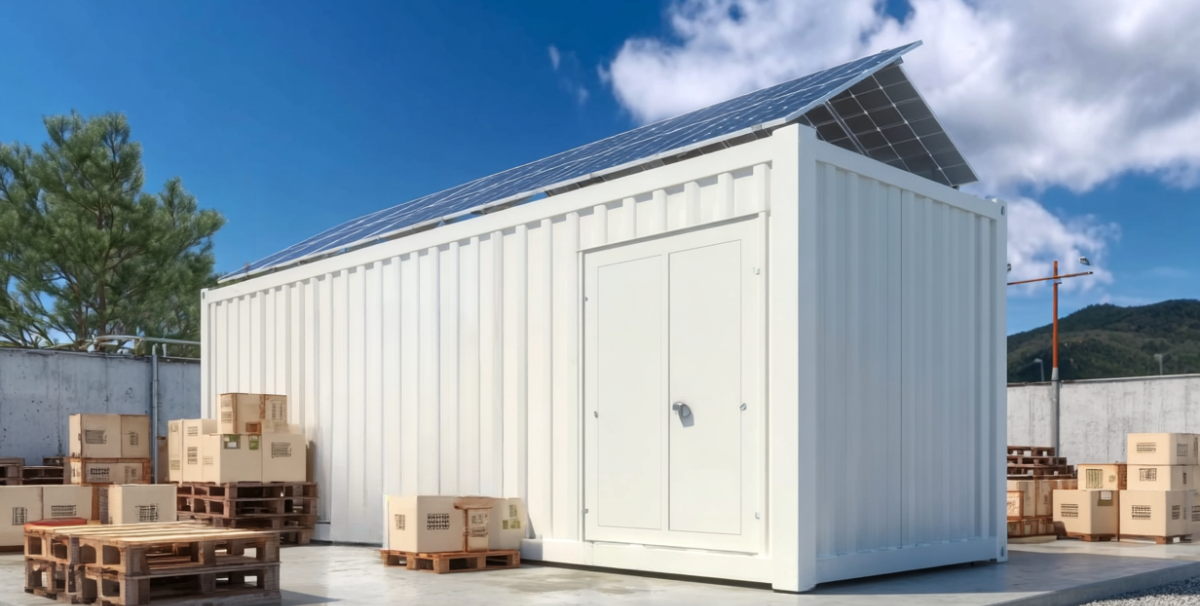 Solar cold room: the ideal solution for off-grid areas?Read more
In many rural or remote areas, access to electricity remains limited, unstable, or nonexistent. Yet, the preservation...
-
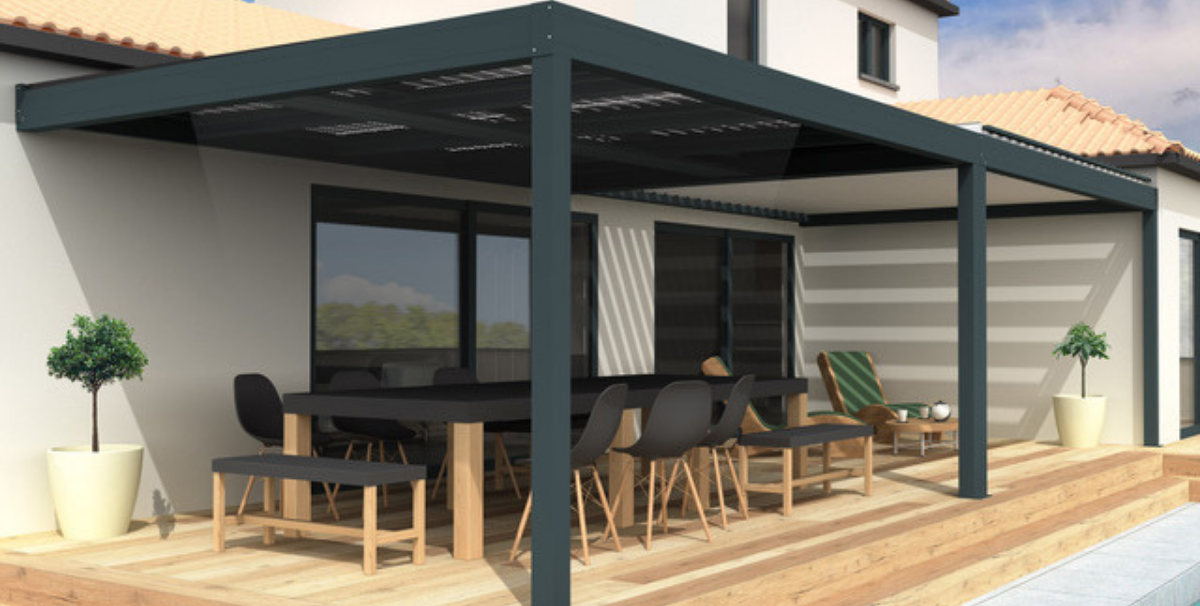 Photovoltaic Pergola: Mistakes to Avoid Before InstallationRead more
The photovoltaic pergola is increasingly appealing to both homeowners and professionals. It combines shading,...
-
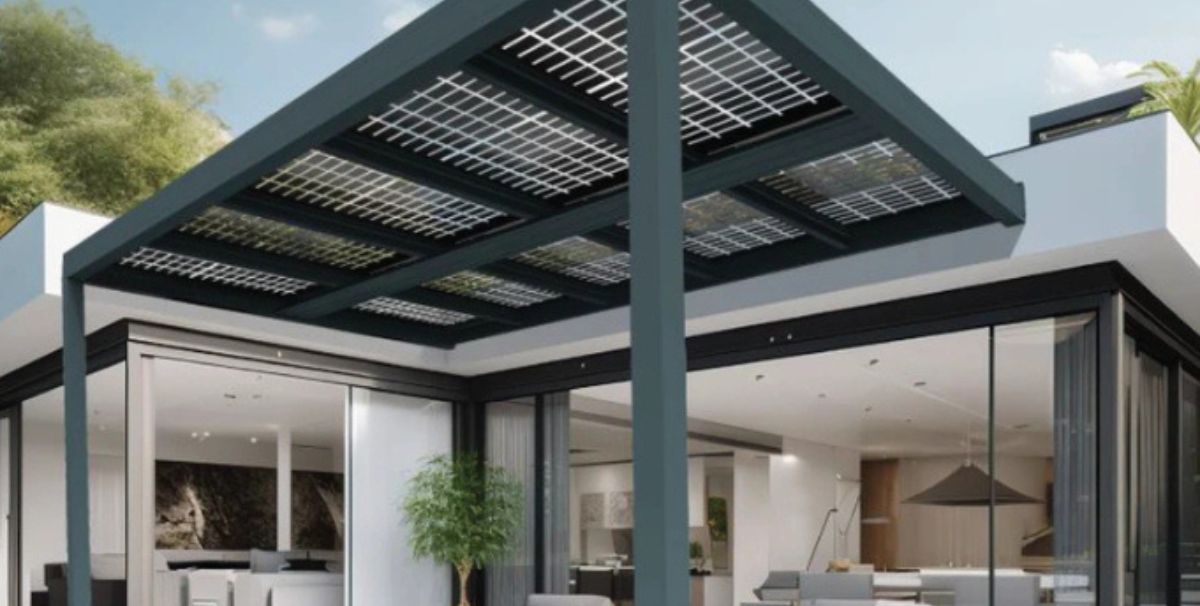 7 Little-Known Benefits of a Photovoltaic PergolaRead more
A photovoltaic pergola is no longer just an aesthetic addition to your garden or terrace. It has become a real...
Blog categories
Search in blog
Archived posts
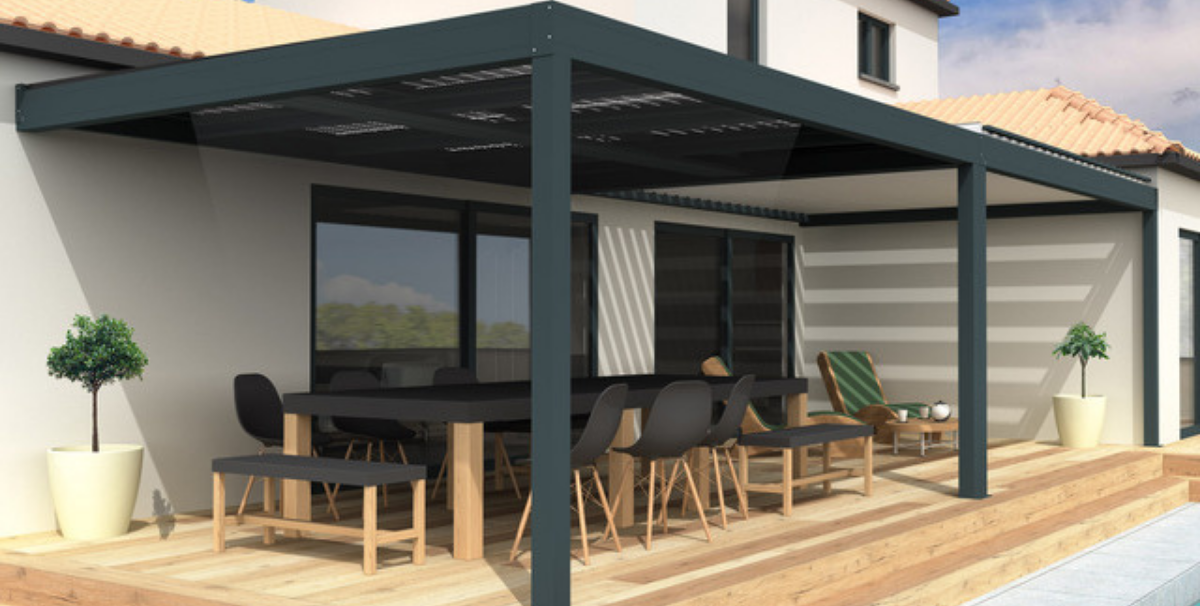
Photovoltaic Pergola: Mistakes to Avoid Before Installation
1. Neglecting the Sunlight Study
Why this is a common mistake
Many projects fail due to a lack of analysis of solar exposure. A poorly oriented photovoltaic pergola will produce significantly less energy.
What to check
- Ideal orientation: due south
- Panel tilt (usually between 10° and 30°)
- No shadows (trees, walls, neighboring buildings)
- Variation in sunlight depending on the seasons
Having a solar study carried out by a professional is essential before making any decisions.
2. Choosing an Unsuitable or Low-Quality Structure
A photovoltaic pergola is not a standard pergola
Solar panels add weight and significant mechanical constraints.
Common mistakes
- Structure too light or made of low-grade aluminum
- Poor resistance to wind or snow
- Non-certified fasteners
- No anti-corrosion treatment
Best practices
- Opt for a CE-certified structure
- Check the allowable load
- Choose durable materials such as reinforced aluminum or galvanized steel
3. Underestimating Administrative Procedures
Installing a photovoltaic pergola often involves mandatory formalities.
Depending on your project, you may need:
- A prior work declaration
- Urban planning authorization
- Condominium approval
- A request for network connection
Ignoring these procedures can lead to fines, a demolition order, or a refused connection.
4. Not Anticipating Electrical Connection
A photovoltaic pergola produces electricity, but you still need to know how to use it.
Essential questions to ask:
- Self-consumption or resale?
- Battery storage or not?
- Distance between the pergola and the electrical panel
- Compliance with current electrical standards
Poor sizing can greatly reduce the profitability of the solar installation.
5. Focusing Only on Price
The low-price trap
An attractive price can hide:
- Low-efficiency photovoltaic panels
- Limited lifespan
- Insufficient warranties
- Non-existent after-sales service
Elements to compare
- Panel efficiency
- Product and performance warranties
- Certifications (CE, IEC, TÜV)
- Installer experience and references
A photovoltaic pergola is a long-term investment, typically over 20 to 30 years.
6. Forgetting Aesthetic Aspects and Architectural Integration
A photovoltaic pergola is visible all year round. It should integrate harmoniously with:
- The house façade
- The garden or terrace
- The existing architectural style
Common mistakes:
- Poorly chosen color
- Too bulky design
- Proportions unsuitable for the space
The photovoltaic pergola should be considered as an architectural element, not just a technical one.
7. Skipping Maintenance and Monitoring
Contrary to popular belief, a solar installation requires some maintenance.
To plan for:
- Cleaning the panels once or twice a year
- Checking fasteners
- Monitoring electricity production
- Prompt intervention in case of malfunction
Regular maintenance ensures optimal performance and extends the lifespan of the installation.
Conclusion: Properly Prepare Your Photovoltaic Pergola Project
Installing a photovoltaic pergola is an excellent way to produce renewable energy while enhancing an outdoor space.
To avoid costly mistakes, it is essential to:
- Study sunlight exposure
- Choose a high-quality structure
- Follow administrative procedures
- Plan the electrical connection
- Prioritize quality over price
- Pay attention to aesthetics
- Plan maintenance
Working with a specialized professional ensures a project that is profitable, durable, and compliant.
Ces autres articles pourraient vous plaire
-
7 Little-Known Benefits of a Photovoltaic Pergola
A photovoltaic pergola is no longer just an aesthetic addition to your garden or terrace. It has become a real...Read more
-
Solar cold room: the ideal solution for off-grid areas?
In many rural or remote areas, access to electricity remains limited, unstable, or nonexistent. Yet, the preservation...Read more
-
Solar carport + electric car: the winning duo for a sustainable future
The adoption of electric vehicles is growing rapidly, and with it comes the search for efficient solutions to...Read more
-
Why is the solar carport attracting more and more private homeowners ?
Nowadays, private homeowners are increasingly drawn to solutions that combine energy savings, vehicle protection, and...Read more
-
How does a solar-powered cold room work?
In a world where sustainability and energy efficiency are becoming priorities, solar-powered cold rooms...Read more